
Health Analytics
The Role of Health Analytics: How Data is Revolutionizing Patient Care
Health analytics turns clinical and operational data into earlier interventions, safer care pathways and measurable operational gains.
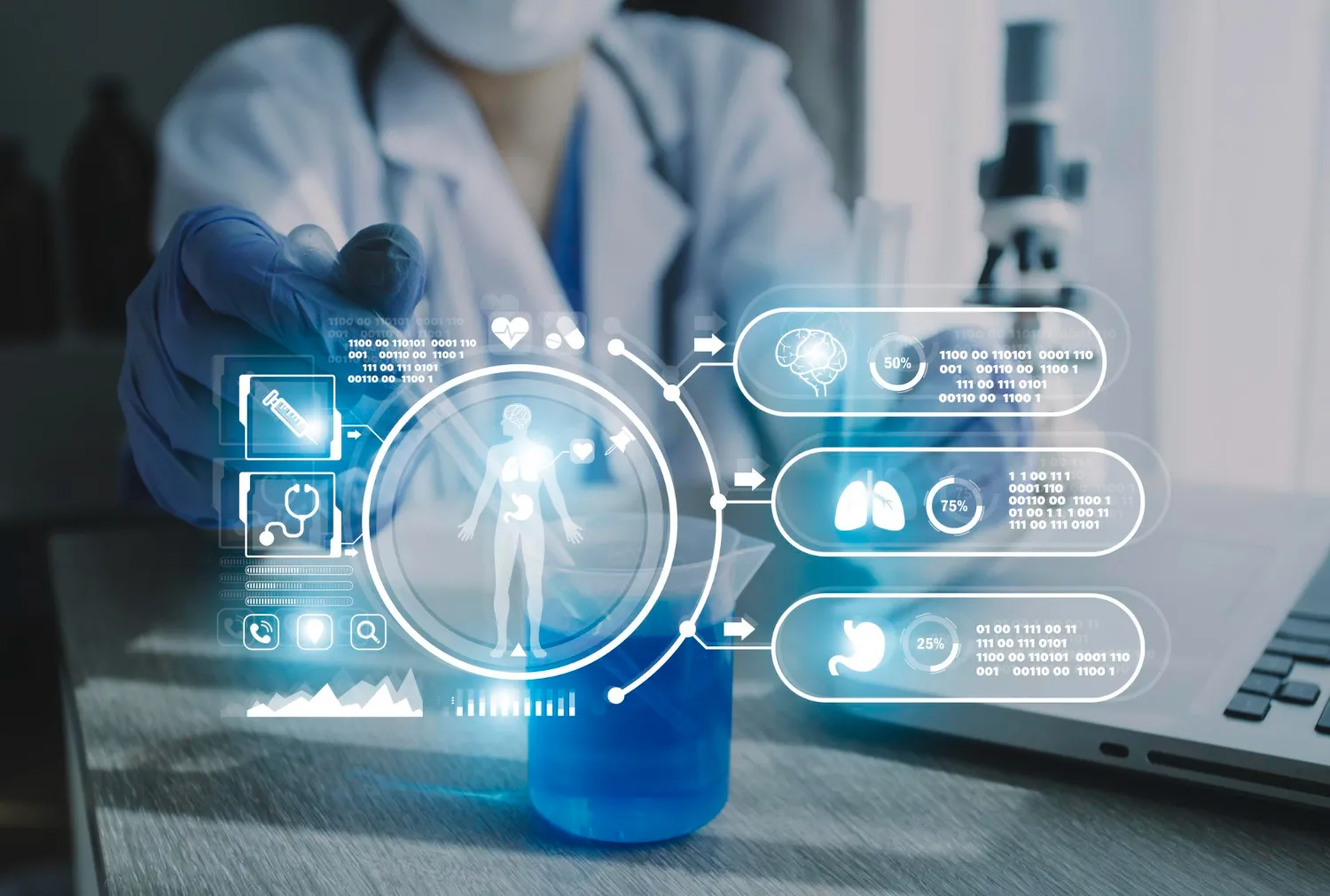
Healthcare is being transformed by technology, and health analytics plays an important part in that change. The ability to collect, interpret, and leverage data is not only a new capability; it is a powerful tool that is transforming how we care for patients, make medical decisions, and respond to health outcomes.
What Is Health Analytics?
Health analytics is the process of examining information from different healthcare sources, including electronic health records (EHRs), wearable technology, imaging technology, insurance claims, and patient questionnaires, in order to identify trends, patterns, and useful insights. These findings help healthcare providers offer improved diagnosis, personalized treatments, and preventive care.
The Impact of Healthcare Information on Patient Care
Early Problem Identification and Risk Forecasting
By analyzing patient records and large datasets, health analytics can identify subtle signs of illness that may go undetected during routine check-ups. This enables doctors to:
- Predict when long-term diseases such as diabetes or heart disease may begin
- Keep high-risk patients under closer surveillance
- Implement preventive treatment measures before a condition worsens
Individual Care Plans
No two patients are identical—and health analytics recognizes that. By taking into account each individual’s medical history, genetic information, habits, and real-time measurements, doctors can craft personalized treatment plans that are far more effective than a generic approach.
Increased Operational Efficiency
Beyond helping patients, analytics has a significant impact on how healthcare functions:
- Reducing wait times through improved appointment scheduling
- Using hospital resources efficiently
- Identifying issues that enable better cost control
Real-Time Monitoring with Wearables and IoT
Wearable technology and data analysis enable individuals to track their health in real time, away from hospitals. For instance, smartwatches can monitor heart rates and alert users or doctors to issues, enabling immediate care and reducing emergencies.
Population Health Management
Healthcare organizations can use data to discover health trends in the community, determine where additional services are needed, and create programs that meet the needs of specific populations. This results in more equitable healthcare delivery and better public health outcomes.
Health Analytics in Daily Life
Mount Sinai Health System in New York uses data analysis to reduce readmissions by identifying at-risk patients before hospital discharge.
Kaiser Permanente applies data to tailor care and improve chronic disease management across its system. During the COVID-19 pandemic, real-time data analytics enabled tracking of infection rates, forecasting outbreak areas, and efficient allocation of resources.
Challenges to Consider
Despite its promise, health analytics also presents challenges:
Data Privacy and Security: Private health information requires strict handling and compliance with stringent regulations such as HIPAA and GDPR.
Interoperability Issues: Merging data from multiple systems and devices remains a technical hurdle.
Need for Trained Staff: Health analytics requires trained staff who can read data and apply it in clinical settings.
The Future of Data-Driven Patient Care
As AI, machine learning, and big data technologies continue to advance, opportunities for health analytics will continue to grow. From disease prediction to discovering new drugs, the possibilities are considerable. What is certain is that data will remain the driver of patient-centered, value-based care in the future.
Final Thoughts
Health analytics is not just about numbers—it is about leveraging information to drive action. By bridging data and decision-making, it allows healthcare professionals to provide care that is quicker, smarter, and more personalized. In an era where seconds matter, tapping into the power of data is not just a good thing—it is a necessity.